Understanding UTI Symptoms and Kidney Health with Dr. Feliciano Serrano
Not every urinary symptom indicates a simple bladder infection. For patients at Serrano Kidney & Vascular Access Center, distinguishing these signs from underlying kidney issues is critical. Accurate diagnosis requires clinical testing, as prompt evaluation is necessary when systemic symptoms like fever or flank pain emerge.
Urinary health · Published
Published by Serrano Kidney & Vascular Access Center · Patient education
Key points at a glance
- Urinary symptoms do not always confirm a UTI; clinical testing is essential for an accurate diagnosis.
- Fever, vomiting, or flank pain are serious indicators requiring immediate professional medical attention.
- Chronic kidney conditions require specific monitoring of GFR and albumin levels, separate from acute infection testing.
Distinguishing UTI Symptoms from Kidney Concerns
Many patients assume any urinary discomfort points directly to a urinary tract infection (UTI). However, symptoms such as urgency or frequency can overlap with other urologic or systemic conditions. Relying on symptoms alone often leads to delayed or incorrect management, especially for those with existing kidney function concerns.
At Serrano Kidney & Vascular Access Center, we emphasize that individual health history dictates the diagnostic approach. Dr. Feliciano Serrano suggests that rather than self-diagnosing, patients should seek professional assessment to determine if their symptoms are localized to the bladder or suggest a more complex process involving the kidneys.
Why Urinalysis and Culture Tests Matter
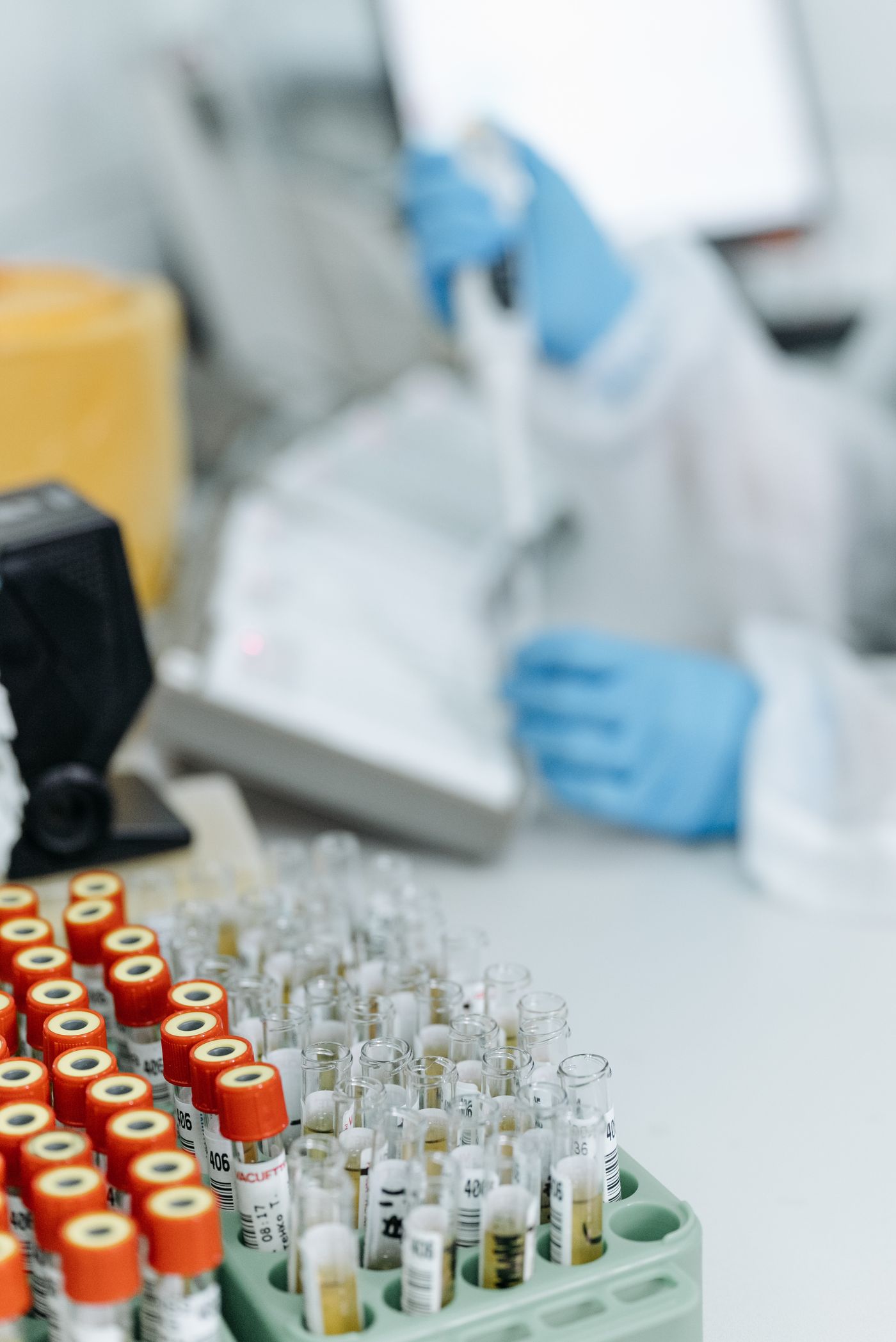
Laboratory testing is the standard for confirming a suspected infection. A urinalysis allows providers to detect the presence of white blood cells and other indicators that the body is actively fighting a bacterial presence. This quick assessment provides immediate, actionable data that a patient cannot gather at home.
When further clarity is needed, a urine culture identifies the specific type of bacteria causing the distress. This step is essential for understanding the best path forward. Instead of relying on myths about urinary hygiene, these clinical tools provide the evidence necessary for informed decision-making regarding potential treatment options.
Recognizing When Symptoms Need Urgent Care
Certain symptoms indicate that an infection may have moved beyond the bladder or that a significant kidney-related event is occurring. If you experience fever, persistent vomiting, or intense flank pain, you must seek emergency medical care immediately. These are not instances to wait for a clinic appointment or home visit.
Dr. Feliciano Serrano highlights that while our clinic provides essential nephrology and access-related services, medical emergencies require the comprehensive resources of an emergency department. Early intervention in the right setting is paramount to protecting overall kidney health and preventing further complications from systemic spread.
Monitoring Kidney Function in Patients
For patients living with chronic kidney conditions, maintaining stable health involves routine monitoring that is distinct from acute infection diagnosis. Health care providers focus on the Glomerular Filtration Rate (GFR), which measures how well the kidneys filter waste. Regular blood tests are necessary to track these trends over time.
In addition to GFR, urine testing for albumin—a type of protein—is a vital diagnostic marker. A healthy kidney prevents albumin from entering the urine, so detectable levels often signify that kidneys require additional support. Working closely with your care team ensures these numbers are tracked consistently to guide your overall wellness plan.
Shared Decision-Making for Kidney and Vascular Health
Management of kidney and vascular health is never one-size-fits-all. Every procedure and monitoring strategy must be based on an individual indication derived from clinical evidence. At our center, we prioritize shared decision-making, where the patient and the provider openly discuss the necessity and expectations of any proposed clinical pathway.
Whether addressing potential infection risks or managing long-term kidney function, informed patients are better equipped to participate in their care. By maintaining consistent communication with your medical team, you ensure that diagnostic tests and interventions are appropriately aligned with your specific health goals and current medical requirements.
Common patient questions
Can I diagnose a UTI at home without a test?
No, you cannot confirm a UTI solely through symptoms, as many conditions mimic them. A professional urinalysis or culture is often necessary to identify bacteria, though presence of bacteriuria alone does not always mean treatment is required.
What do I do if I have fever and back pain?
Fever, vomiting, and flank pain are warning signs of a potentially severe infection or kidney complication. You should seek evaluation at the nearest emergency department immediately rather than waiting for a clinic visit, as these systemic symptoms require urgent medical resource access.
Why should I mention kidney disease when I have urinary symptoms?
Your kidney history, recent laboratory results, allergies, pregnancy status when relevant, and current medicines can affect the evaluation and treatment plan. Tell the clinician about dialysis or reduced kidney function before receiving a prescription. Do not use leftover antibiotics or assume that a treatment that helped someone else is appropriate for you.
Does protein in my urine prove that I have a UTI?
No. Protein or albumin in urine does not by itself diagnose a urinary infection. Your clinician considers symptoms, urine findings, medical history, and sometimes a culture. An abnormal albumin result may need repeat testing and a separate kidney evaluation, so ask what each test is intended to clarify.
Medical references and educational notice
This article provides general education, not an individual diagnosis or treatment plan. The linked medical organizations explain general concepts and do not endorse this clinic. Your treating team should guide decisions about tests, medicines, procedures, and follow-up. For a medical emergency, call 911 or seek the nearest emergency department; do not wait for a clinic appointment or home visit.