Dr. Feliciano Serrano: Understanding Coiling and Embolization
Catheter embolization, often utilizing coiling, is a minimally invasive procedure used to reduce or block blood flow to abnormal vessels. This approach uses precision imaging to target vascular lesions or abnormal connections while protecting surrounding healthy tissue. Candidacy is determined through individual diagnosis, health status, and a thorough assessment of clinical risks. This guide details the journey from consultation to post-procedure recovery and safety planning for patients in Los Angeles County under the oversight of Dr. Feliciano Serrano.
Treatment education · Published
Published by Serrano Kidney & Vascular Access Center · Patient education
Key points at a glance
- Embolization is a precision interventional technique used to manage specific vascular abnormalities, not a broad or universal treatment.
- A comprehensive clinical evaluation is necessary to confirm that a procedure is safe and appropriate for an individual patient's diagnosis.
- Preparation requires full disclosure of health history, including all medications, to manage risks associated with bleeding.
- Patient safety relies on recognizing the difference between expected recovery and acute symptoms requiring immediate emergency care.
Defining Vascular Embolization
Embolization is a sophisticated medical intervention designed to modulate blood flow within specific, problematic vessels. By navigating a thin catheter through the circulatory system to the precise site of an anatomical abnormality, a clinician can deploy embolic agents—such as specialized metallic coils—to create a controlled obstruction. This process starves a lesion of its blood supply, which is often necessary to stop active bleeding or shrink vascular malformations that threaten health.
The methodology relies heavily on real-time image guidance to ensure that only the target vessel is affected during the procedure. Because the process is highly localized, it generally preserves the function of surrounding healthy vessels and tissues. However, the technique demands rigorous pre-procedural planning, as the selection and size of the embolic agent must align perfectly with the diameter and anatomy of the target structure identified by the treating clinical team.
Indications for Intervention
Clinical indications for embolization typically involve structural vascular anomalies where blood flow must be restricted to prevent significant complications. Common scenarios include active bleeding from a vessel that cannot be managed with standard pressure or traditional suturing, or the treatment of abnormal vascular shunts where arteries and veins are incorrectly connected. These clinical situations often require swift action to maintain patient stability and prevent further damage to critical bodily functions.
Embolization is not the only option for vascular findings. Many conditions, such as early-stage aneurysms or minor irregularities, may be better served by clinical observation, pharmaceutical management, or conventional surgery. Clinical teams assess each patient to determine if an interventional radiology approach provides the appropriate balance of safety and clinical outcome, based on objective diagnostic evidence and individual health needs.
The Clinical Evaluation Process
The evaluation journey begins with a detailed review of the patient's medical history and current symptoms. To plan an embolization effectively, clinicians must visualize the internal anatomy with significant precision. This process usually involves high-resolution diagnostic imaging, such as CT scans, MRI, or specialized angiograms. These tests allow the clinical team to map the vascular abnormality, identifying its size, blood supply source, and proximity to vital structures, ensuring that safety remains the priority.
Beyond imaging, a comprehensive physical assessment is conducted to determine if the patient is an appropriate candidate for an interventional procedure. The team evaluates blood clotting profiles, kidney health, and overall cardiovascular fitness to ensure the body can tolerate the procedure. The goal is to confirm whether the lesion is accessible via catheter, whether the benefit is definitive, and whether the patient's physiological health supports the intervention without relying on generalized, non-individualized protocols.
Questions for the Treating Team
Empowered patients are partners in their care. Before choosing embolization, it is appropriate to ask the clinical team specific questions to clarify expectations. Patients should inquire about the primary objective of the procedure: Is it intended to be curative, or is it a palliative step to control problematic symptoms? Furthermore, patients should ask about the long-term durability of the repair, understanding that while advanced coils are designed for longevity, no procedure guarantees perfection.
Patients should discuss alternative paths, including non-interventional options. Meaningful questions include: 'What are the risks if we monitor this condition instead of operating?' and 'Are there pharmacological therapies that could stabilize this lesion?' By comparing these options against the risks of a catheter-based approach, patients can better evaluate their clinical path. The goal is to prioritize understanding the treatment plan and maintaining active participation in one's own care.
Safety and Preparation Protocols
Safety begins before the patient enters the imaging suite. Managing current medications is vital. If a patient takes anticoagulants or blood pressure medications, they must follow specific instructions from their clinical team. Some medications need to be paused before the procedure to minimize bleeding risks. Patients should never alter their medication regimen independently, as this can lead to serious clinical consequences.
In addition to medication management, patients must consider physical preparations for the day of the procedure. Fasting is usually required to ensure safe sedation. It is essential to report any new symptoms or changes in health status—such as fever or infection—to the clinic before arrival. Proper preparation is an effective way to enhance safety and ensure the treating team has the necessary context to proceed with care in Huntington Park.
Inside the Procedure Suite
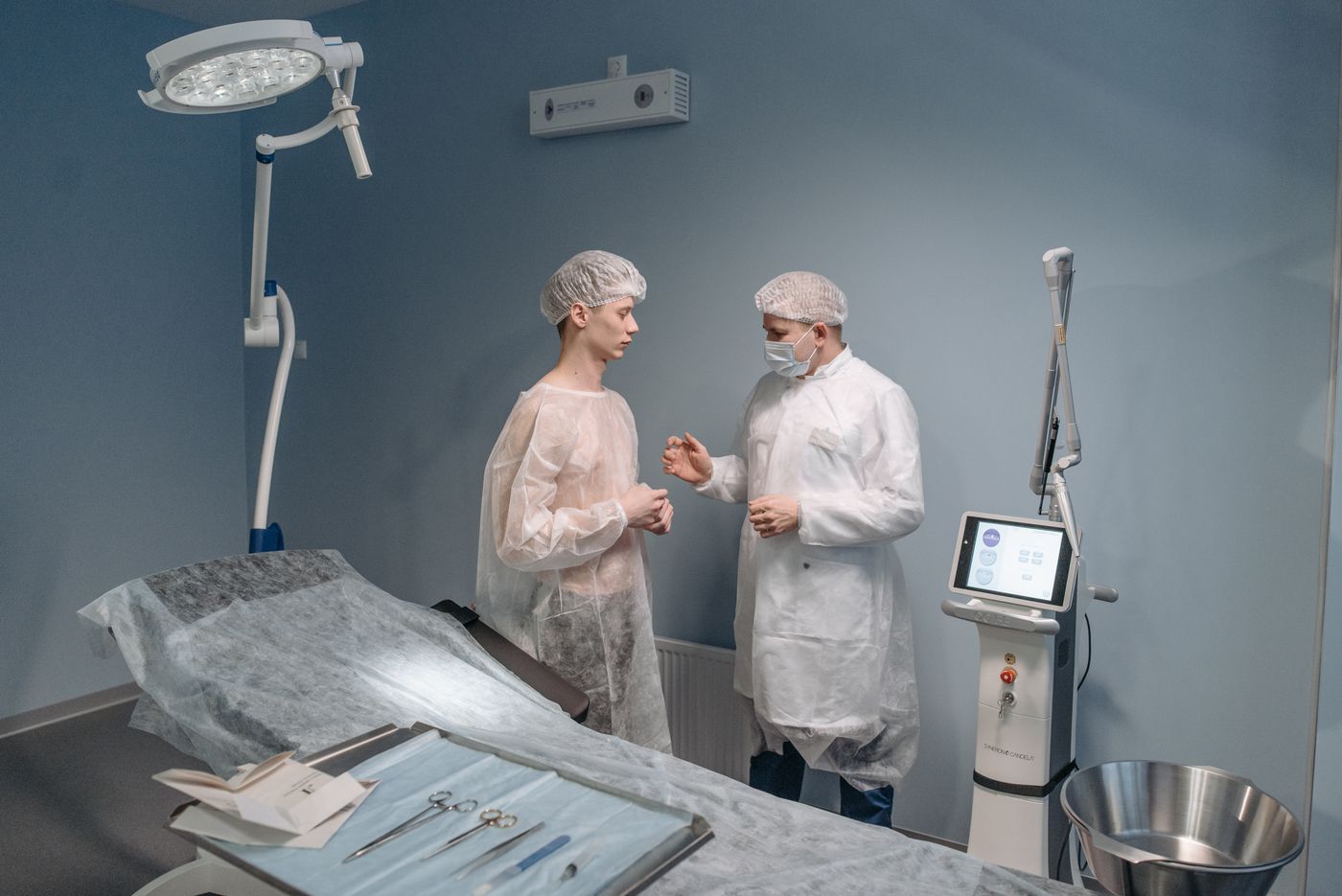
When a patient arrives for an embolization, they enter a specialized interventional radiology environment. The primary focus is on maintaining absolute sterility and using advanced, real-time imaging to guide every stage of the procedure. Patients are monitored throughout the process to ensure vital signs remain stable. Local anesthesia is used at the site of insertion to minimize discomfort, and sedation is provided to ensure the patient is relaxed and comfortable during the vascular navigation.
The deployment of materials, such as metallic coils, is performed with careful attention to the vessel's structure. The goal is to induce a controlled, durable blockage. Throughout this, the clinical team maintains a calm, focused environment. There is no standard speed for this procedure, as the complexity of the patient's anatomy dictates the time required. The team prioritizes accuracy, addressing the vascular pathology while preserving the surrounding healthy vasculature, which remains the professional standard.
Potential Risks and Cautions
Every medical intervention carries inherent risks, and it is important for patients to be well-informed. Potential complications include injury to the vessel wall, unintended migration of embolic material, or localized bruising at the insertion site. Contrast agents can occasionally place stress on the kidneys, which is why screening for renal function is a standard safety measure. The clinical team is trained to identify and manage these issues immediately, emphasizing transparency and ethical, high-quality patient care.
Effective care requires recognizing that the body may react in unexpected ways. Post-procedure discomfort is common, but identifying when discomfort shifts into a serious complication is vital. Clinical staff provide instructions on what constitutes a 'normal' reaction versus a warning sign. By maintaining an open dialogue about these risks, patients feel supported in monitoring their health. Recognizing potential warning signs is an essential aspect of patient responsibility.
Recovery and Long-Term Care
The immediate recovery phase focuses on healing the access site and allowing the body to stabilize. Patients receive clear instructions on what activities to avoid, such as heavy lifting or strenuous exercise, for the first few days or weeks. During this time, the treated vessel begins to remodel. Follow-up appointments, including imaging, are critical components to ensure the lesion remains blocked and the surrounding vasculature is healthy. These visits are not optional for long-term health.
Long-term success is fundamentally dependent on commitment to follow-up visits. Vascular conditions are dynamic, and results need to be verified periodically to ensure stability. This necessity exists because human vascular health is a lifelong priority. Whether it is a single check-up or a series over several months, attending these appointments allows the treating team to adjust the long-term plan as needed, ensuring proactive health management and preserving the results of the interventional procedure over time.
Emergency Planning and Response
While most patients recover without incident, it is essential to be prepared for the unexpected. Emergency symptoms include uncontrolled bleeding, sudden neurological deficits, vision loss, or symptoms of high-grade infection. If these occur, do not wait for a clinic response. The correct path is to utilize local emergency services—such as calling 911 or visiting the nearest emergency department—to ensure rapid, life-saving intervention. Time is of the essence in acute vascular events.
Patient safety is the highest obligation of the medical team. If a patient experiences a life-threatening symptom, digital communication, including email, is not the place to seek assistance. Emergency departments have the infrastructure to manage acute health events. This guidance ensures that patients and their families are prepared to handle any situation with clarity and confidence, knowing that in the event of a true emergency, immediate, on-site action is the only correct pathway for safety.
Clinical Cautions and Realities
Patients should be aware that clinical outcomes are not always entirely predictable. While the treating team uses appropriate technology, human biology does not always follow a standard timeline. A vessel that is successfully embolized may recanalize over time, which is why follow-up is a medical necessity rather than a formality. There is no such thing as a guaranteed procedure; staff communicate clearly what is achievable but do not promise permanent outcomes in every case.
Furthermore, it is important to note that the facility does not provide wound care, primary internal medicine, or same-day insurance approvals. It is a specialized interventional practice dedicated to specific procedures. Patients must ensure they have a primary care physician managing their overall health, as the role of the interventional team is to address the specific vascular condition. This focused approach maintains the high standard of care expected by patients who visit the Huntington Park location.
Planning Your Appointment
When planning a visit to the clinic in Huntington Park, efficiency is key. Before traveling, ensure you have received and understood all pre-procedural instructions. These include fasting requirements, medication modifications, and any specific diagnostic tests that need to be brought along. Having these records ready saves time and ensures the treating team has everything necessary to proceed with an evaluation or scheduled procedure effectively and safely.
Please note that the facility operates by scheduled appointments. All procedures are planned according to a rigorous schedule to ensure quality. If a patient is delayed, they should contact the clinic as soon as possible so the team can determine how to adjust. The goal is to provide vascular care, and by working together during the scheduling phase, both the team and the patient ensure that the appointment is a safe step forward.
The Importance of Holistic Care
While embolization is a powerful clinical tool, it does not function in a vacuum. Patient health is influenced by lifestyle choices, including diet, exercise, and the management of chronic conditions such as high blood pressure. Clinical teams emphasize that a procedure is only one part of the solution. Patients are encouraged to work with their providers to maintain a healthy systemic environment, as a well-managed body often responds better to the stresses of intervention.
Finally, the medical team believes in the value of patient education as a form of care. By providing this guide, the goal is to demystify the process of coiling and embolization. Patients should feel comfortable, informed, and respected at all times. Trust is earned through clarity, transparency, and a commitment to service. Thank you for considering the Huntington Park facility. The team looks forward to assisting patients in their journey toward better health with integrity and dedication.
Common patient questions
How long does the recovery process take after an embolization procedure?
Recovery is highly individualized based on the treated site, anatomy, and health history. Immediately after the procedure, patients require a period of rest in the facility to ensure the vascular site seals. Once home, most individuals can return to light daily activities within a few days; however, strenuous physical exertion—such as heavy lifting or intense exercise—must be restricted until cleared by the clinical team. It is essential to follow all post-procedure guidelines, as these are designed to protect the integrity of the treated vessel and prevent complications while healing occurs over several weeks.
Is the vessel blockage caused by embolization considered permanent?
The goal of embolization is to create a durable, effective obstruction of the targeted vessel. However, clinical outcomes can be influenced by the nature of the lesion and the patient's anatomy. In some cases, natural healing may lead to the formation of collateral vessels, or the target vessel might attempt to recanalize. Because of this, embolization is not always viewed as a permanently guaranteed solution. Regular, long-term follow-up imaging is often necessary to confirm the therapeutic result is maintained, allowing the treating team to monitor the site and intervene if further adjustment is required.
What actions should be taken if symptoms arise after returning home?
Patients receive information about what to expect during recovery, but should a patient experience severe, unexpected symptoms, they must act decisively. Warning signs such as uncontrollable bleeding, sudden and intense pain, neurological weakness, vision loss, or high fever are not normal and require immediate evaluation. In these instances, patients should not wait for a routine follow-up appointment or a clinic response. Instead, they should seek help immediately at the nearest emergency department or call 911.
Can embolization be performed while taking blood-thinning medication?
The use of blood-thinning medication is a critical clinical detail that must be disclosed to the team during the evaluation process. These medications influence the risk of bleeding, and their management is essential for safety. Patients will never be asked to stop these medications without a specific, personalized protocol designed to balance the risk of clots against the risk of bleeding. Patients must never change their medication regimen independently. The clinical team will work with the patient to create a safe, structured plan for pausing or modifying the medication when needed before and after the intervention to ensure the highest standard of safety.
Medical references and educational notice
This article provides general education, not an individual diagnosis or treatment plan. The linked medical organizations explain general concepts and do not endorse this clinic. Your treating team should guide decisions about tests, medicines, procedures, and follow-up. For a medical emergency, call 911 or seek the nearest emergency department; do not wait for a clinic appointment or home visit.