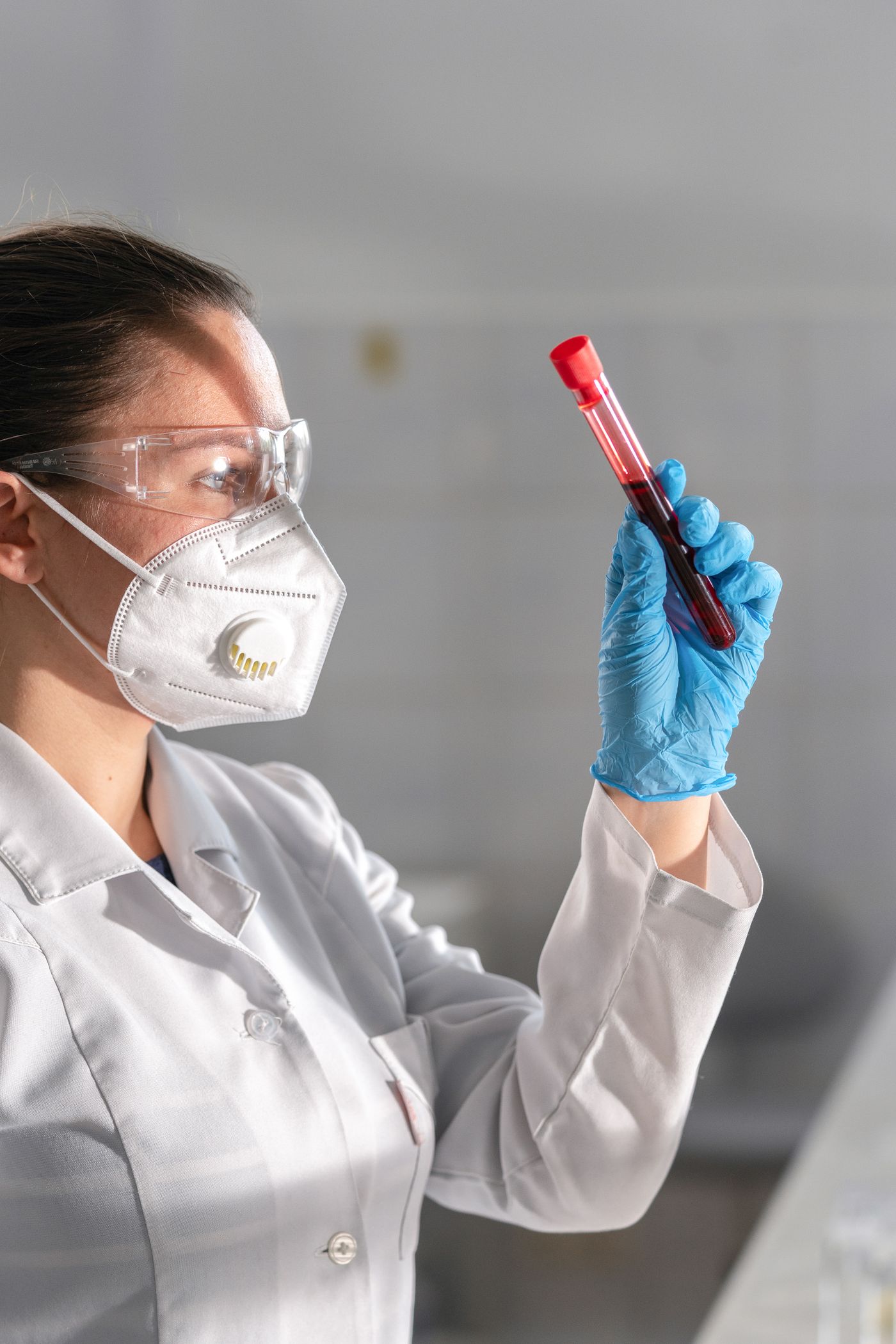
Understanding Ascites and Fluid Management at Serrano Kidney & Vascular Access Center
Ascites involves fluid buildup in the abdomen often linked to liver or kidney conditions. At Serrano Kidney & Vascular Access Center, we provide expert evaluation and procedures like paracentesis to manage symptoms. Dr. Feliciano Serrano and our team focus on clear diagnostics and individualized care plans for patients experiencing these complex fluid-related challenges.
Liver and fluid care · Published
Published by Serrano Kidney & Vascular Access Center · Patient education
Key points at a glance
- Ascites is a symptom of underlying conditions like cirrhosis or heart issues that requires professional evaluation.
- Paracentesis is a procedure used to remove excess abdominal fluid to relieve pressure and discomfort.
- Coordinated care is essential for managing liver-related vascular complications and improving quality of life.
What Causes Abdominal Fluid Buildup?
The accumulation of fluid in the abdominal cavity, known as ascites, often results from conditions that increase pressure in the liver's blood vessels, such as cirrhosis. When the liver is scarred, blood flow is restricted, leading to high pressure in the portal vein system. This forces fluid to leak into the peritoneal space, causing noticeable abdominal swelling and discomfort.
Beyond liver disease, other underlying factors can trigger ascites, including heart failure, kidney disease, or inflammation of the pancreas. Because fluid buildup can be a sign of significant health changes, it is important to undergo a thorough clinical assessment. Dr. Feliciano Serrano works with patients to identify the source of fluid accumulation through imaging and diagnostic testing.
How Paracentesis Helps Manage Ascites
Paracentesis is a clinical procedure designed to remove excess fluid from the abdomen. By using a specialized needle to draw out the fluid, clinicians can significantly reduce the pressure causing pain and shortness of breath. This process helps restore physical comfort and is often an essential step in managing symptoms for patients with large volumes of fluid.
The procedure can serve two main purposes: diagnostic and therapeutic. A diagnostic tap allows the medical team to test the fluid to understand the specific cause of the buildup. A therapeutic tap removes a larger volume of fluid to provide immediate relief. At our clinic, each procedure is tailored based on the patient's specific health needs and clinical findings.
The Role of Vascular Imaging in Liver Care
Advanced imaging, such as ultrasound, plays a critical role in evaluating the liver and surrounding blood vessels. By visualizing the anatomy of the portal system, clinicians can better understand how pressure is affecting the patient's vascular health. These images guide the decision-making process, ensuring that any intervention or monitoring is based on accurate, real-time data.
Dr. Feliciano Serrano emphasizes the importance of using high-quality imaging to track changes in fluid levels and vessel condition. This approach helps in planning appropriate care strategies and determining when a procedure like a tap may be necessary. Consistent monitoring assists the clinical team in providing timely support for patients dealing with chronic liver conditions.
Understanding TIPS and Liver Vascular Services
For certain patients with portal hypertension, a Transjugular Intrahepatic Portosystemic Shunt (TIPS) may be considered as a specialized option. This procedure involves creating a connection within the liver to improve blood flow, which can reduce pressure and manage complications. It is an advanced vascular service intended for specific cases where other management methods may not be sufficient.
Not every patient is a candidate for this intervention, as it requires careful evaluation of overall liver function and anatomy. Our clinic focuses on the necessary vascular assessments to determine the most effective approach for each individual. By coordinating care with other specialists, we help ensure patients receive the comprehensive evaluation needed to explore such complex vascular treatments.
Working with Your Clinical Team
Effective management of fluid buildup requires a partnership between the patient and the clinic. We encourage patients to discuss their full medical history, including any previous vascular procedures or conditions, with our team. Clear communication allows us to provide safer, more personalized care during every office visit or procedure performed at our facility.
Patients should always be proactive in reporting changes in their symptoms, such as sudden increases in abdominal swelling or unusual dizziness. Maintaining regular contact with our clinic helps us monitor progress and adjust care plans as needed. At Serrano Kidney & Vascular Access Center, we remain dedicated to providing specialized support for vascular health and fluid-related symptoms.
Common patient questions
What should I do if I experience sudden severe pain or difficulty breathing?
If you experience sudden severe abdominal pain, difficulty breathing, or other emergency symptoms, please call 911 or visit the nearest emergency department immediately. Do not wait for a clinic appointment for urgent or life-threatening symptoms.
Is paracentesis a permanent cure for ascites?
Paracentesis is a procedural tool used to manage and remove excess fluid, providing relief from pressure and discomfort. It does not treat the underlying cause of the fluid buildup, such as liver or heart conditions. Long-term management depends on addressing the root issue with your primary care team.
Do I need to prepare before my paracentesis appointment?
Preparation instructions vary depending on your individual health needs. You should inform our clinical staff about all medications you are currently taking, including blood thinners, and disclose any allergies. Detailed instructions specific to your situation will be provided by our team prior to your procedure.
How often will I need to have fluid removed?
The frequency of procedures is determined by your clinical needs and the speed of fluid re-accumulation. There is no rigid, universal schedule for these treatments. Your progress will be monitored during follow-up visits, allowing us to determine the appropriate timing for any necessary subsequent procedures.
Medical references and educational notice
This article provides general education, not an individual diagnosis or treatment plan. The linked medical organizations explain general concepts and do not endorse this clinic. Your treating team should guide decisions about tests, medicines, procedures, and follow-up. For a medical emergency, call 911 or seek the nearest emergency department; do not wait for a clinic appointment or home visit.