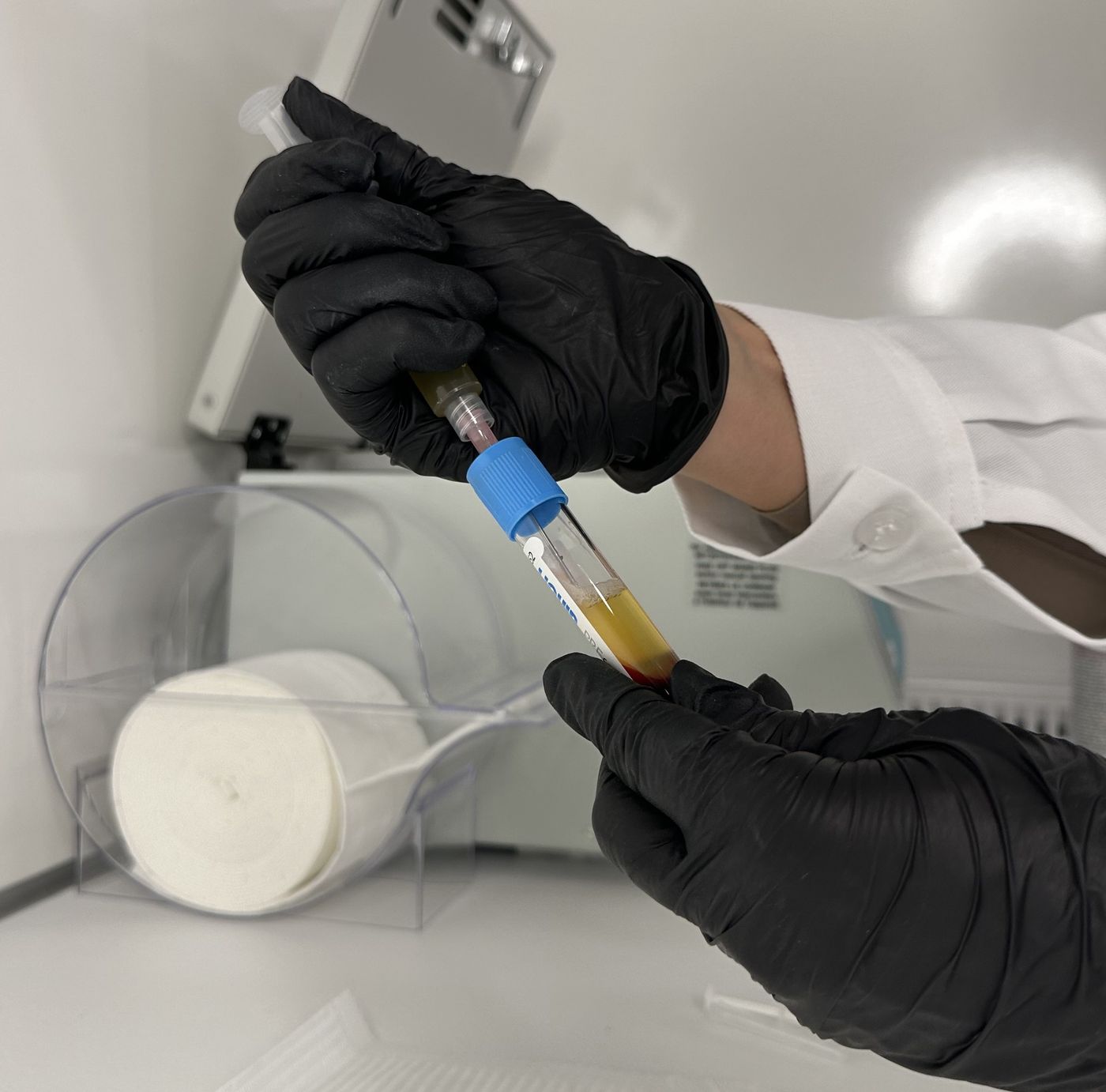
Understanding Diagnostic Evaluations: A Patient Guide
Diagnostic evaluations are essential for monitoring kidney and vascular health. At Serrano Kidney & Vascular Access Center, we use clinical history, physical exams, and specific laboratory tests to assess your condition, ensuring personalized care and accurate insights into your health status.
Diagnostic testing · Published
Published by Serrano Kidney & Vascular Access Center · Patient education
Key points at a glance
- Diagnostic testing, including GFR blood tests and urine albumin checks, is the primary method for identifying and monitoring kidney function.
- Physical exams and medical history are just as critical as lab results for Dr. Feliciano Serrano to understand the full context of your symptoms.
- Always seek emergency care immediately for severe symptoms rather than waiting for scheduled follow-up appointments or diagnostic results.
The Role of Medical History and Physical Exams
Every diagnostic process begins with a comprehensive review of your medical history. Dr. Feliciano Serrano values your input on symptoms, family background, and current health challenges, as this information provides the foundation for determining which specific tests are necessary for your unique situation.
Following the history review, a physical examination allows our clinical team to observe outward signs of underlying issues. This hands-on approach is vital for detecting physical indicators that lab tests alone might miss, ensuring a more holistic understanding of your kidney and vascular wellbeing.
Blood Tests for Kidney Function and GFR
Blood tests are a standard tool used to measure your glomerular filtration rate (GFR), which indicates how efficiently your kidneys filter waste products like creatinine. These markers are essential for identifying changes in kidney health over time and guiding your ongoing management plan.
Understanding your GFR numbers is a collaborative process. Whether your levels are in the normal range or require further observation, these results act as a roadmap. Dr. Feliciano Serrano uses this objective data to help you focus on behaviors that preserve remaining kidney function.
Urine Tests and Albuminuria
A healthy kidney prevents proteins like albumin from leaking into the urine. Detecting albumin through a dipstick test or a urine albumin-to-creatinine ratio (UACR) can signal early damage. These tests provide vital information about the integrity of your kidney filtration system.
If albumin is detected, your provider may suggest repeating the test to confirm the findings. Consistent monitoring of these levels is a key strategy for assessing whether current treatments are effective. Your test results help us tailor the approach to your specific health needs.
Diagnostic Imaging and Advanced Screening
In some cases, imaging tests are required to look deeper into the structural causes of recurring issues or infections. Tools like urinary tract imaging or cystoscopy allow us to identify physical obstructions, such as kidney stones or other abnormalities, that might contribute to persistent concerns.
These advanced screenings are not routine for every patient but are indicated when clinical symptoms warrant a closer look. By utilizing these diagnostics, our team can pinpoint the exact nature of a problem, leading to more targeted and informed decision-making regarding your vascular and kidney care.
Managing Expectations and Follow-Up
Interpreting diagnostic tests requires clinical expertise and context. When you undergo testing, it is important to understand that results are best explained during a consultation. We focus on providing you with a clear interpretation of your data so you can participate actively in your health management.
Safety is our priority. If you experience sudden, severe, or worsening symptoms, do not wait for lab results or a scheduled visit. Please seek immediate attention at the nearest emergency department. Prompt action in these situations is critical for your safety and recovery.
Common patient questions
What should I do if I am experiencing severe pain or fever?
If you experience severe pain, high fever, or other emergency symptoms, please go to the nearest emergency department or call 911 immediately. These situations require urgent medical assessment that cannot wait for a scheduled diagnostic appointment.
Will all diagnostic tests be performed at my home?
Not all diagnostic services are available in a home setting. Some specialized lab tests or imaging procedures require specific medical equipment found in clinical facilities. We will discuss which services can be managed locally and which require a visit to a diagnostic center.
Who is responsible for explaining my test results?
Your diagnostic test results are interpreted by clinical professionals who integrate the data with your overall medical history. You will be able to review these findings during a follow-up appointment to understand what they mean for your personal health and treatment plan.
How can I keep track of my test results over time?
We recommend maintaining a personal record of your GFR and urine albumin levels. Having these numbers readily available helps you and your care team track trends and determine if your current management plan is effectively protecting your kidney health.
Medical references and educational notice
This article provides general education, not an individual diagnosis or treatment plan. The linked medical organizations explain general concepts and do not endorse this clinic. Your treating team should guide decisions about tests, medicines, procedures, and follow-up. For a medical emergency, call 911 or seek the nearest emergency department; do not wait for a clinic appointment or home visit.