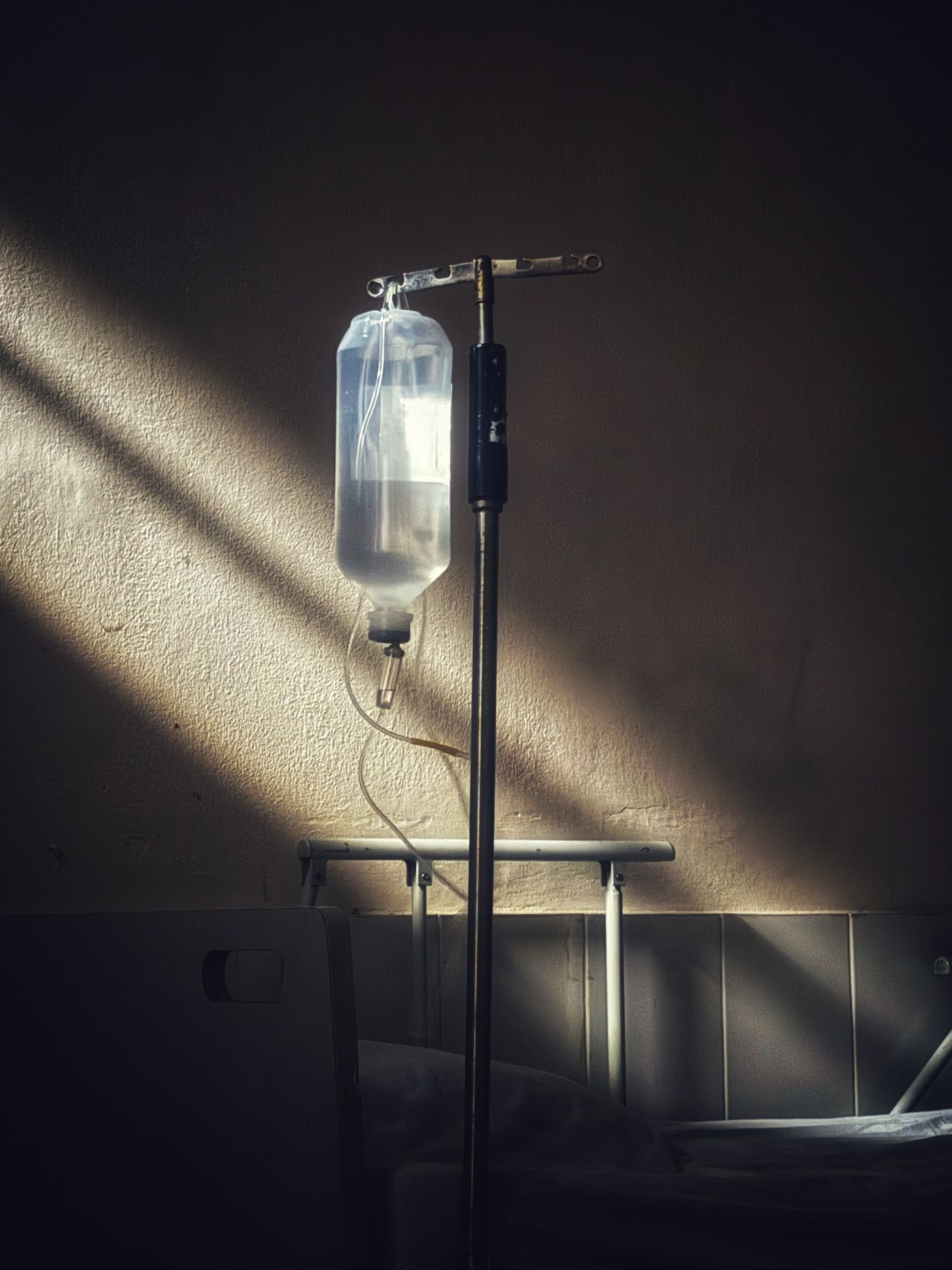
Understanding the Differences Between PICC Lines and Dialysis Catheters
If you are managing chronic kidney disease (CKD), understanding your vascular access options is vital. While PICC lines and dialysis catheters both provide venous access, they are not interchangeable. At Serrano Kidney & Vascular Access Center, we prioritize vein preservation to ensure you have the best options available when you truly need them.
Catheter education · Published
Published by Serrano Kidney & Vascular Access Center · Patient education
Key points at a glance
- PICC lines are designed for long-term medication, while dialysis catheters are specialized for the high blood flow required for blood filtration.
- Protecting arm veins from routine blood draws or unnecessary PICC lines is critical for preserving potential future dialysis access sites.
- Always coordinate with your nephrology team before any vascular procedure to ensure it does not compromise your long-term kidney care plan.
Why PICC Lines and Dialysis Catheters Have Unique Purposes
A Peripherally Inserted Central Catheter (PICC) is typically used for long-term intravenous therapies, such as antibiotics or nutrition. These catheters are small in diameter and are generally not capable of handling the high-speed blood flow required for effective hemodialysis, which moves a large volume of blood through a filter every minute.
In contrast, tunneled dialysis catheters are specifically engineered for the rigors of kidney replacement therapy. Using a PICC line when a dedicated dialysis access is required can lead to complications and may permanently damage the very veins that Dr. Feliciano Serrano and his team aim to protect for your future medical needs.
The Importance of Vein Preservation for CKD Patients
Vein preservation is a cornerstone of proactive kidney health. Every time a vein is punctured for a routine blood draw or an IV line, there is a risk of scarring or narrowing. For patients with CKD, these veins are precious resources that may be needed later to create an arteriovenous (AV) fistula.
Dr. Feliciano Serrano emphasizes that maintaining the integrity of the veins in your arms is essential. By working with your care team to limit unnecessary invasive procedures, you increase the likelihood of having healthy, viable veins ready for a surgical access procedure when the time arrives.
Collaborating with Your Clinical Care Team
Before consenting to the placement of a PICC line, it is essential to have an open discussion with both your prescribing physician and your kidney specialist. This collaborative approach ensures that your vascular history is fully considered and that the choice of access aligns with your long-term health trajectory.
Sometimes a PICC may be necessary for immediate life-saving treatments. However, your providers should always explore whether other venous routes exist. Open communication prevents the accidental loss of a high-value vein that could have been used for your future dialysis access.
Managing Your Catheter Site for Safety
Regardless of the type of catheter you have, proper maintenance is vital to prevent infections. Your healthcare provider will supply professional instructions on how to keep the dressing clean and dry. Never attempt to manipulate the catheter or change the internal configuration yourself, as this can lead to severe infection or damage.
If you notice redness, swelling, or persistent pain around the entry site, you must address this with your clinical team immediately. Maintaining a rigorous, professional flushing schedule as ordered by your doctor is the most effective way to ensure the catheter continues to function correctly between treatments.
When to Seek Emergency Medical Attention
Certain symptoms indicate that your catheter or health status requires immediate emergency evaluation. If you experience sudden difficulty breathing, uncontrollable bleeding from the access site, or signs of severe systemic infection such as high fever and chills, do not wait for a clinic appointment or a home visit.
In these situations, you should go to the nearest emergency department or call 911 immediately. Vascular access problems can escalate quickly, and emergency professionals are equipped to stabilize your condition and manage potential life-threatening complications related to your access.
Common patient questions
Can I use a PICC line for my dialysis treatments?
No. PICC lines are not designed for dialysis. They cannot handle the high blood flow rates required for effective blood filtration and may be damaged or cause serious complications if used for that purpose.
Why is it important to protect the veins in my arms?
Protecting your veins is vital for future dialysis access, such as an AV fistula. Repeated needles or unnecessary PICC lines can scar or narrow your veins, potentially making them unusable for a surgical access site later.
What should I do if I notice signs of infection?
If you observe redness, swelling, or warmth around your catheter site, contact your healthcare provider immediately. Infections are serious and require prompt professional evaluation and treatment to prevent them from spreading or damaging your access.
What counts as a medical emergency regarding my catheter?
Seek emergency care (call 911 or visit an ER) for severe bleeding, sudden breathing difficulties, or systemic symptoms like high fevers and confusion. Do not wait for a routine clinic follow-up if you feel your life or health is immediately threatened.
Medical references and educational notice
This article provides general education, not an individual diagnosis or treatment plan. The linked medical organizations explain general concepts and do not endorse this clinic. Your treating team should guide decisions about tests, medicines, procedures, and follow-up. For a medical emergency, call 911 or seek the nearest emergency department; do not wait for a clinic appointment or home visit.