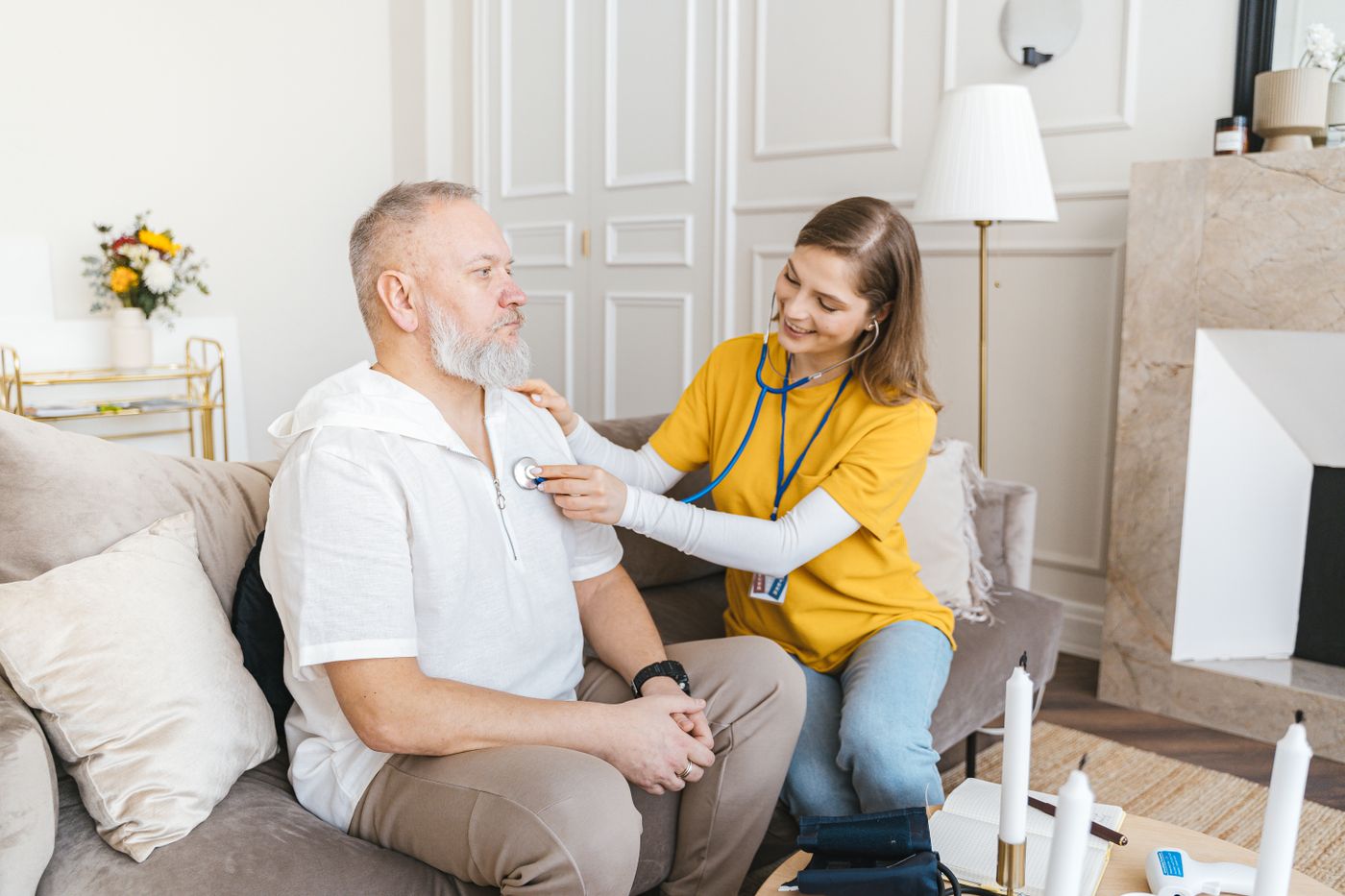
Dr. Feliciano Serrano: Home Urgent Care for Older Adults
Patient education from Dr. Feliciano Serrano’s clinic: When an older adult experiences a health change, identifying the best care setting is essential. Healthcare professionals emphasize that while home evaluations offer comfort and convenience, they are intended for stable, nonemergency situations. Understanding the limitations of home care helps caregivers and patients set realistic expectations. Preparation ensures that any assessment conducted by a professional is as thorough and effective as possible. This guide covers how to identify symptoms, when to seek emergency help, and how to organize essential information to support safe care decisions at home, always prioritizing the patient's well-being and health stability.
Home medical care · Published
Published by Serrano Kidney & Vascular Access Center · Patient education
Key points at a glance
- Monitor baseline changes in appetite, mobility, and alertness.
- Distinguish between routine nonemergency concerns and emergency symptoms.
- Keep an organized list of current medications and allergies.
- Identify the best person to communicate with the clinician.
- Establish an escalation plan if health symptoms worsen.
Recognizing Changes from Baseline
Changes in an older adult's daily baseline often serve as the earliest indicators of an underlying issue. Subtle shifts in appetite, mobility, or the ability to manage daily self-care tasks can provide valuable clues regarding the patient's current health status. Clinical experience notes that older adults frequently present symptoms differently than younger patients, making these behavioral changes significant warning signs that warrant closer observation and professional assessment if they persist beyond initial observation periods.
Caregivers play a critical role in tracking these subtle variations over time. While your deep familiarity with the patient is an invaluable asset, it cannot replace a clinical examination. It is important to document when these changes started and how they have evolved, as this information helps a clinician understand the full picture during an assessment. By maintaining a log of these observations, caregivers can assist your primary or urgent care providers in forming a more accurate clinical history during the visit.
Determining Appropriateness for Home Assessment
Not every health concern is suitable for an in-home evaluation. Home-based care is designed primarily for stable, nonemergency conditions that can be managed outside of a hospital or clinic setting. When considering a request for a home visit, it is vital to reflect on the patient's overall medical complexity and the nature of the symptoms to ensure the patient's safety remains the priority throughout the process of evaluation and potential treatment.
The decision for a home visit involves evaluating whether the needed care can be safely provided in a residential environment. Please remember that online appointment requests are not intended for urgent triage. If you are unsure whether a home visit is the correct pathway, contact a clinic to discuss the specific symptoms and receive guidance. As medical guidelines suggest, choosing the right setting for the severity of the symptoms is the most crucial step in receiving effective medical attention.
Prioritizing Emergency Situations
Certain health situations require immediate emergency intervention regardless of the comfort a home visit might offer. Symptoms such as stroke indicators, severe breathing difficulty, persistent chest pain, unconsciousness, significant bleeding, or serious head injuries demand emergency services. In these instances, time is of the essence, and moving a patient should not be delayed to wait for a scheduled house call, as specialized hospital resources are often necessary to provide the required standard of care.
Healthcare standards remind us that emergency care settings have the necessary equipment and specialized staff to handle critical crises safely. If you encounter these red flags, call 911 immediately. Never prioritize the convenience of an in-home appointment over the rapid, specialized care required for life-threatening medical emergencies. Understanding this distinction is vital for every caregiver, as emergency services are the only appropriate response when the patient is facing a crisis that requires immediate stabilization and complex diagnostic testing.
Addressing Fever and Potential Infection
When managing fever or suspected infections at home, accuracy in documentation is essential for clinical decision-making. Keep a log of temperature readings, the timing of symptom onset, and any known potential exposures. Additionally, monitor fluid intake and note any changes in urination or daily behavior, as these factors provide essential context for the clinician. This methodical approach allows for a clearer assessment of the severity of the infection during the evaluation process.
It is important to understand that the absence of a high fever does not automatically rule out a serious infection in older adults. Their immune response can be muted, meaning they may experience significant illness without a traditional high temperature. Always report your observations clearly to your healthcare team during any evaluation. Clinical best practice notes that identifying subtle indicators of illness, such as lethargy or confusion, is just as important as monitoring temperature when evaluating potential infections in seniors.
Handling New Dizziness, Weakness or Confusion
Sudden onset of dizziness, physical weakness, or confusion in an older adult requires careful attention and timely assessment. These symptoms can stem from a variety of sources, including metabolic issues, reactions to medications, or emerging acute illnesses. Because these conditions can escalate quickly, they often require professional evaluation to determine the underlying cause and appropriate response before they lead to further physical harm or dangerous falls in the home environment.
If a patient experiences new, significant confusion or sudden fainting, these are often signs that require more than routine care. In these circumstances, an emergency setting may be the most appropriate environment for a comprehensive investigation. Always err on the side of caution when mental status or physical stability is suddenly compromised. Medical consensus emphasizes that addressing these symptoms promptly helps prevent minor issues from becoming major health crises that could otherwise have been avoided with timely professional medical oversight.
Preparing the Home Environment
Successful home evaluations depend significantly on thorough preparation by the caregiver and the patient. Have all current medication bottles available, along with a list of known allergies, contact information for all current specialists, and any recent discharge paperwork. Providing this information upfront ensures the visiting professional can focus on the patient’s immediate needs, saving valuable time and ensuring that every detail of the patient’s medical history is available for review.
Ensuring safe, clear access to the home is also a key component of the visit. Identify a designated individual who has the patient's permission to help communicate needs and receive follow-up instructions. Being prepared creates an environment that facilitates efficient, high-quality care during the brief time the clinician is present. Clinicians encourage families to organize these materials in a central location, as this minimizes stress during the evaluation and empowers the caregiver to act as an effective partner in the process.
Make communication easier before the visit: place working hearing aids, glasses and a preferred-language contact note nearby. Tell the clinic if stairs, a locked entrance or mobility needs may affect access, so the team can discuss suitability before anyone travels.
Medication Reconciliation During Illness
During an illness, it is vital to provide an accurate account of all medications currently being taken. Tell the clinician exactly what has been missed, what was taken as prescribed, and if any new supplements or over-the-counter items were introduced. Avoiding the impulsive use of old prescriptions or unverified supplements is a key practice for patient safety, as these can lead to harmful interactions when the body is already stressed by an active infection or other health complication.
Clinical guidelines emphasize that for patients with existing health conditions, such as kidney disease, reviewing medications is particularly important during illness. Always consult a professional before adjusting your routine, as certain medications can interact negatively or put extra strain on the body's systems when a patient is already feeling unwell. Accurate reconciliation of all medications, including vitamins and herbal remedies, is a critical step in managing health safely while at home during periods of unexpected medical difficulty.
Scope and Limits of Home Care
While home evaluations are beneficial for many, they operate within specific clinical constraints. A visiting clinician can conduct a detailed history, perform a physical examination, and potentially facilitate basic diagnostic testing. However, complex imaging, continuous laboratory monitoring, or emergency-level interventions generally require the resources and specialized environment found only in a clinic or hospital, where multi-disciplinary teams can collaborate on more intensive diagnostic or therapeutic procedures.
Understanding these limitations prevents frustration and ensures patients receive the appropriate level of care. If a clinician determines that a patient’s needs exceed what can safely be managed at home, they will recommend a transition to a more comprehensive facility. This decision is always made with the patient's safety as the primary guide. Clinical guidance reminds patients that the goal of home care is to provide high-quality support within its limits, while recognizing when more advanced clinical intervention is absolutely necessary.
Facilitating Communication and Consent
Effective communication starts by addressing the patient directly, even when a caregiver is assisting with the conversation. Always ensure that the patient has provided permission for family members to be involved in their medical discussions. Clarifying who is responsible for relaying instructions helps ensure that the care plan is understood and followed correctly. This collaborative approach respects the patient's autonomy while allowing the caregiver to be a supportive advocate in the clinical dialogue.
If there are specific barriers to communication, such as hearing difficulties or the need for language interpretation, these should be addressed at the time of scheduling. By prioritizing the patient’s preferences and needs, the care team can ensure that the interaction is respectful, clear, and focused on shared goals. Clinical standards suggest that clear, direct, and respectful communication is the foundation of any successful medical interaction, especially when care is delivered in the intimate and personal setting of a patient's own home.
Developing an Escalation and Follow-up Plan
Every home visit should conclude with a clear plan for what comes next. Understand exactly who to contact if symptoms change, what specific red flags necessitate a trip to the emergency department, and how the results of the home visit will be reviewed. This planning minimizes uncertainty for both the patient and their caregivers. Having a written plan allows for quicker action should the patient's condition evolve, providing peace of mind to everyone involved in the caregiving process.
Dr. Feliciano Serrano notes that providing this home-care information is meant to offer options and guidance; it does not guarantee that every request will result in a visit or that a home visit will be the final solution for every problem. A robust follow-up plan ensures that the patient remains supported after the clinician leaves. This plan bridges the gap between the immediate care provided in the home and the long-term management of the patient's overall health and chronic condition needs.
Common patient questions
Can every older adult's urgent problem be evaluated at home?
No. While many nonemergency issues can be assessed at home, the visit is limited by available equipment and the patient's condition. Serious emergencies, such as severe difficulty breathing, chest pain, or sudden loss of consciousness, must be handled in an emergency department. Home care is designed for stable, nonemergency situations. If a patient is unstable, the priority is to get them to the right setting for the level of care they need. Clinical assessment emphasizes that patient safety is the top priority.
Should new confusion wait for a scheduled house call?
New or significant confusion in an older adult should be treated as a priority and often requires an immediate assessment. It can indicate a variety of serious conditions, including infections, metabolic changes, or neurological issues. Because this symptom represents a significant change in mental status, it should not wait for a routine house call. You should contact a healthcare professional or emergency services promptly to ensure the patient is evaluated and stabilized as quickly as possible for their own safety.
What information should a caregiver prepare?
Caregivers should organize all relevant health documents before the clinician arrives. This includes a complete list of current medications and allergies, details of any recent hospitalizations or discharge papers, and contact information for the patient's primary care team. Providing a clear, written timeline of symptoms, recent changes in behavior or function, and any fluids or medications administered will greatly help the clinician. Being organized helps maximize the effectiveness of the home evaluation visit as recommended by your clinical care team.
Does requesting a home visit mean the visit is confirmed?
No. Requesting a visit through an online portal or over the phone does not automatically confirm that a home evaluation is appropriate or available. Each request is reviewed to ensure the patient's needs can be safely and effectively managed in a home setting. If the symptoms are too complex or if the patient requires diagnostic tools only available in a clinic or hospital, the service may not be suitable. A representative will confirm if the requested visit is possible for the patient.
Medical references and educational notice
- National Institute on Aging: Preparing for a doctor's appointment
- NIDDK: Illness planning and medicine safety
This article provides general education, not an individual diagnosis or treatment plan. The linked medical organizations explain general concepts and do not endorse this clinic. Your treating team should guide decisions about tests, medicines, procedures, and follow-up. For a medical emergency, call 911 or seek the nearest emergency department; do not wait for a clinic appointment or home visit.