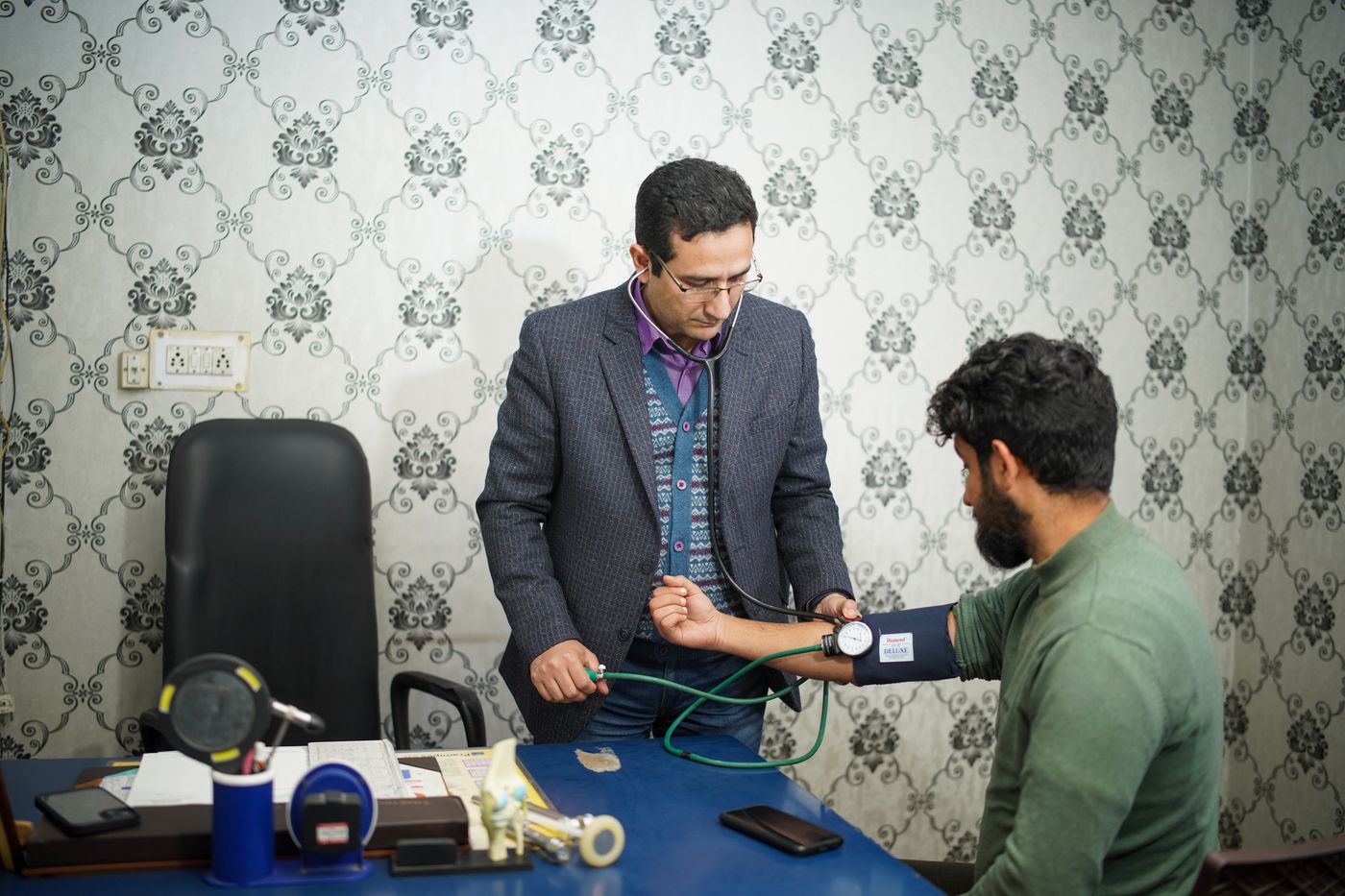
Dr. Feliciano Serrano: Renal Artery Care and Patient Education Guide
Renal artery health is a vital component of blood pressure regulation and kidney function. Patients in Huntington Park and Los Angeles County may encounter findings related to these arteries that necessitate an understanding of diagnostic pathways. This guide outlines clinical assessment roles, cardiovascular risk factors, and management strategies. It is essential for patients to collaborate with the treating team to determine if medical management or intervention is appropriate based on individual markers, ensuring that decisions prioritize safety and evidence-based outcomes.
Treatment education · Published
Published by Serrano Kidney & Vascular Access Center · Patient education
Key points at a glance
- Kidney health relies on consistent blood flow, though dysfunction often arises from systemic causes beyond isolated vascular narrowing.
- Anatomical narrowing detected on diagnostic imaging is not an automatic indication that a procedural intervention is required.
- Comprehensive management of blood pressure and cardiovascular risk factors remains the most effective primary approach for vascular stability.
- Sudden or severe symptoms, such as a rapid decline in urine output, require immediate emergency medical professional assessment.
Renal Anatomy and Vascular Function
The kidneys serve as the primary filtration system for the body, requiring a steady supply of oxygen-rich blood to maintain health. This blood arrives via the renal arteries, which are subject to systemic influences. When these arteries exhibit narrowing, often due to plaque accumulation, the ability to filter waste and maintain fluid balance may be affected. Understanding this anatomy is essential, though structural changes do not always correlate with clinical symptoms.
The impact on an individual varies significantly, making personalized assessment a necessity. The treating team evaluates these factors to distinguish between anatomical findings and active clinical disease. By focusing on functional impact rather than just vessel appearance, care providers aim to preserve renal health. Patients should ask how their specific anatomical findings correlate with current health markers to better understand their diagnostic path and ensure that medical decisions remain well-informed and tailored to their physiology.
The Role of Diagnostic Imaging
Diagnostic imaging tools, such as ultrasound, computed tomography, or magnetic resonance angiography, provide visual data regarding the condition of renal arteries. When tests show narrowing, the findings can be concerning to patients. However, the presence of anatomical narrowing does not universally signify the need for intervention. The clinical team analyzes whether the narrowing is hemodynamically significant, meaning it demonstrably restricts enough blood flow to affect kidney performance or systemic blood pressure levels.
Often, vascular anatomy is merely a bystander, and blood pressure or renal function markers are better explained by other systemic factors. A clinical evaluation must be comprehensive, looking at the entire context of the patient's health. The treating team avoids relying on a single snapshot of anatomy. Instead, they interpret imaging within the scope of the patient's long-term health history, ensuring a balanced, evidence-based approach that avoids unnecessary, invasive procedures unless clearly indicated by clinical markers.
Laboratory Markers and Health Trends
Laboratory markers, specifically creatinine and estimated glomerular filtration rate, offer critical, objective insights into renal performance. Creatinine is a metabolic waste product, while the filtration rate estimates how effectively the kidneys filter blood. Monitoring these markers over time allows the clinical team to track the stability or progression of kidney health. Stability in these numbers often indicates that current management plans are sufficient, even if some degree of anatomical narrowing is present.
It is important for patients to understand that laboratory results provide a snapshot that must be evaluated as part of a trend. Sudden fluctuations may not indicate a crisis, but rather a need to review lifestyle factors or systemic health. Through consistent monitoring, the team provides data-driven guidance tailored to long-term wellness. By focusing on long-term data rather than individual results, clinicians help patients maintain a balanced perspective on their renal health.
Medical Management Strategies
For the majority of patients, the most effective approach to renal artery narrowing is robust medical therapy rather than procedural intervention. This strategy focuses on optimizing cardiovascular health, which provides indirect protection to the renal vessels. By managing systemic factors such as blood pressure, lipid levels, and blood sugar, the treating team reduces the workload placed on the kidneys. This standard of care addresses the systemic nature of vascular disease, offering wide benefits.
Lifestyle management is an equally critical component of long-term medical strategy. Habits such as smoking cessation, maintaining a heart-healthy diet, and engaging in regular, physician-approved activity provide a protective environment for the vasculature. These changes are powerful tools for preventing the progression of plaque accumulation and managing systemic hypertension. The treating team supports patients by providing resources and guidance on implementing these changes in a sustainable manner, reinforcing the effectiveness of medical prescriptions.
Evaluation of Procedural Interventions
Interventional procedures, such as stenting, are considered only when robust medical management has not achieved necessary therapeutic results. The decision to pursue such an option requires a careful assessment of the balance between risks and potential benefits for the patient's specific anatomy. If, despite strict adherence to prescribed medication and lifestyle modifications, a patient experiences severely uncontrolled blood pressure or a progressive decline in renal function, the treating team may discuss a procedural approach.
Patients should recognize that an intervention does not constitute a permanent cure for underlying systemic disease. The conditions that contribute to narrowing will continue to require lifelong attention. Consequently, even following a successful procedure, the patient must maintain the established medical management plan to ensure success. Realism regarding the recovery process and the necessity of ongoing check-ups are essential. The goal is to establish a baseline for health, not to replace the essential commitment.
Clinical Consultation and Preparation
Preparing for a clinic visit significantly enhances the quality of care. For those visiting the center in Huntington Park, gathering comprehensive medical records, recent laboratory results, and an updated list of all medications is recommended. Having a documented history of blood pressure readings can be particularly valuable, as this provides real-world data that assists the treating team in making informed adjustments to management plans. Preparedness allows for a more focused, efficient consultation session aimed at optimal care.
The consultation is a collaborative partnership. Patients are encouraged to bring questions regarding their diagnosis or treatment options. Whether inquiring about imaging implications or methods for tracking blood pressure, the clinical team is prepared to provide evidence-based answers. The role of the clinic is to serve as an educational partner, guiding the patient through their health journey with integrity. This shared commitment to active participation is essential for successful, long-term health management and wellness for the patient.
Follow-up and Recovery Management
After any clinical intervention, the recovery phase requires close, collaborative management. Patients often have questions regarding expectations post-procedure, and the treating team is dedicated to providing accessible, accurate information during this transition. Recovery typically involves a structured return to daily activities, with an emphasis on stabilizing blood pressure and preserving renal function. Regular follow-up appointments are vital for monitoring this progress and ensuring that the clinical plan remains as effective as possible throughout the entire recovery process.
Long-term stability is built through consistent follow-up care. By keeping scheduled appointments, patients allow the treating team to identify small trends in laboratory work or blood pressure readings before they escalate into major clinical issues. This proactive management style is essential for overall well-being. Even if a patient feels asymptomatic, check-ups remain necessary to ensure markers are stable. Consistent follow-up is the most reliable way to safeguard the patient's future health.
Recognizing Medical Emergencies
Understanding the distinction between routine care and urgent needs is vital. While most renal artery management is addressed during scheduled visits, certain events require immediate intervention by emergency services. Symptoms such as sudden, severe chest pain, extreme difficulty breathing, or a sudden, drastic decline in urine output are signs that necessitate urgent assessment in an emergency room setting. Patients should never attempt to manage these severe symptoms through routine clinical channels or delayed appointments, as timing is critical for outcomes.
Emergency safety is a priority, and crises cannot be addressed through clinic messaging. Having a clear plan of action for emergencies empowers patients to navigate stressful moments with confidence. By recognizing the warning signs of a crisis and seeking the appropriate level of care, patients contribute directly to their overall medical strategy. It is always safer to err on the side of caution when symptoms appear to be changing rapidly. This approach protects vital functions and ensures the fastest path to intervention.
The Value of Patient Education
Education is a cornerstone of effective health management. By understanding their condition, patients are better equipped to make informed decisions, adhere to treatment protocols with commitment, and engage in meaningful communication with the treating team. This resource is intended to provide the foundational knowledge necessary to navigate the complexities of renal artery care. Patients are encouraged to utilize these educational materials to prepare for consultations and to bring specific questions to their next clinic appointment to maximize understanding and support.
The mission of the treating team is to provide care based on integrity, evidence, and clear patient guidance. By sharing these insights, the clinical team aims to support patients through their medical journey, fostering a sense of comfort and understanding. Navigating healthcare can feel daunting, but dedicated support ensures that patients have the resources they need. Combining professional expertise with clear education builds a strong foundation for care, focusing on long-term wellness and confidence.
Collaborative Care for Vascular Health
Managing renal artery health requires a collaborative effort that often involves specialists such as nephrologists or other experts. Coordination across different areas of expertise is key to developing a successful, integrated treatment strategy. By ensuring that all members of the clinical team are informed and aligned, the care process becomes more cohesive and effective. Communication serves as the vital thread that holds this plan together, allowing the team to integrate care into a unified approach.
The active role of the patient is highly valued in this collaborative model. Each patient is considered the most important member of their own care team, as they manage health choices on a daily basis. By observing symptoms and adhering to prescribed regimens, patients provide data that helps the treating team refine the strategy. Trust is treated with deep seriousness. The clinic is dedicated to ensuring that every aspect of the patient experience is rooted in professional, evidence-based support for the best possible health outcomes.
Long-Term Goals for Wellness
The primary objective is to facilitate long-term kidney wellness and systemic vascular stability. Recognizing that every patient's journey is unique, influenced by history and genetics, the clinical team avoids a one-size-fits-all approach. Whether the care plan involves medication or modifications, the focus remains constant: protecting kidneys and promoting longevity. The team provides guidance tailored to each patient's specific circumstances, ensuring that every step taken is relevant and directly contributes to the patient's individual wellness goals.
Consistency in health management is key to enduring wellness. It is not a single achievement but a continuous, daily effort. By maintaining follow-up appointments, monitoring markers, and communicating openly, patients make the most constructive choices for their future health. The center appreciates the trust of patients and the dedication demonstrated toward personal health. Ongoing commitment is the best safeguard for vascular and renal integrity, and the team looks forward to continuing to provide professional, evidence-based support together in the community.
Final Considerations for Patients
As you move forward, remember that you are empowered by your own health decisions and by working with a dedicated clinical team. The field of medicine is evolving, and the center is committed to integrating evidence-based insights into care at all times. Utilizing the resources provided can help you become a well-informed partner in your own vascular journey, which is a key factor in achieving better health outcomes. The practice remains dedicated to your long-term success and health stability through rigorous, professional guidance.
Should you have additional questions or require clarification, please do not hesitate to reach out during your next visit. An open dialogue is valued, and the team is present to assist in achieving health goals. Whether your questions involve your current management plan or methods to integrate healthy practices, the team is here to support you. Thank you for your continued dedication to your health and for allowing the team the privilege of providing vascular care.
Common patient questions
Is a narrowed artery always the cause of my high blood pressure?
No, hypertension is a multifaceted condition typically caused by a combination of genetics, systemic health issues, and lifestyle factors. While narrowed renal arteries can influence blood pressure regulation, they are rarely the sole cause. Clinical evaluation by the treating team is necessary to determine the impact of arterial narrowing compared to other systemic variables. Many patients have essential hypertension that persists even after vascular considerations are addressed, making comprehensive medical management the most common and effective strategy for long-term health control.
What does it mean if I have narrowing but no symptoms?
Detecting anatomical narrowing on a scan without corresponding symptoms is common. This finding indicates that the body may have adapted to blood flow patterns, or that the narrowing is not severe enough to compromise renal function or blood pressure regulation. In these cases, intervention is often unnecessary. The primary focus shifts to preventive care, routine monitoring, and maintaining a healthy lifestyle to ensure that the condition does not progress, allowing the patient to maintain a normal quality of life while keeping health markers stable through dedicated professional clinical support.
Can I prevent renal artery disease?
Progression of vascular disease can be managed through consistent lifestyle habits. Smoking cessation, a heart-healthy diet, regular physical activity, and diligent management of chronic conditions such as diabetes and hypertension are the most effective defenses. Although factors like age or genetics are unchangeable, these daily lifestyle choices significantly protect against plaque buildup and support vascular integrity. Consistency in these healthy behaviors creates a strong foundation for renal health, helping to prevent the worsening of arterial narrowing over time, providing a clear path toward sustained, long-term health and wellness for each patient.
When should I consider my symptoms an emergency?
Emergency medical attention is required for signs of severe distress, such as sudden, intense chest pain, extreme shortness of breath, or a sudden, dramatic decline in urine output. These symptoms could indicate an acute systemic crisis necessitating immediate professional evaluation in an emergency setting. Do not delay care by waiting for a clinic appointment or attempting home management. Utilize local emergency services immediately to ensure professional diagnostic intervention and the protection of vital functions, as these situations require rapid response beyond standard clinical capabilities.
Medical references and educational notice
This article provides general education, not an individual diagnosis or treatment plan. The linked medical organizations explain general concepts and do not endorse this clinic. Your treating team should guide decisions about tests, medicines, procedures, and follow-up. For a medical emergency, call 911 or seek the nearest emergency department; do not wait for a clinic appointment or home visit.