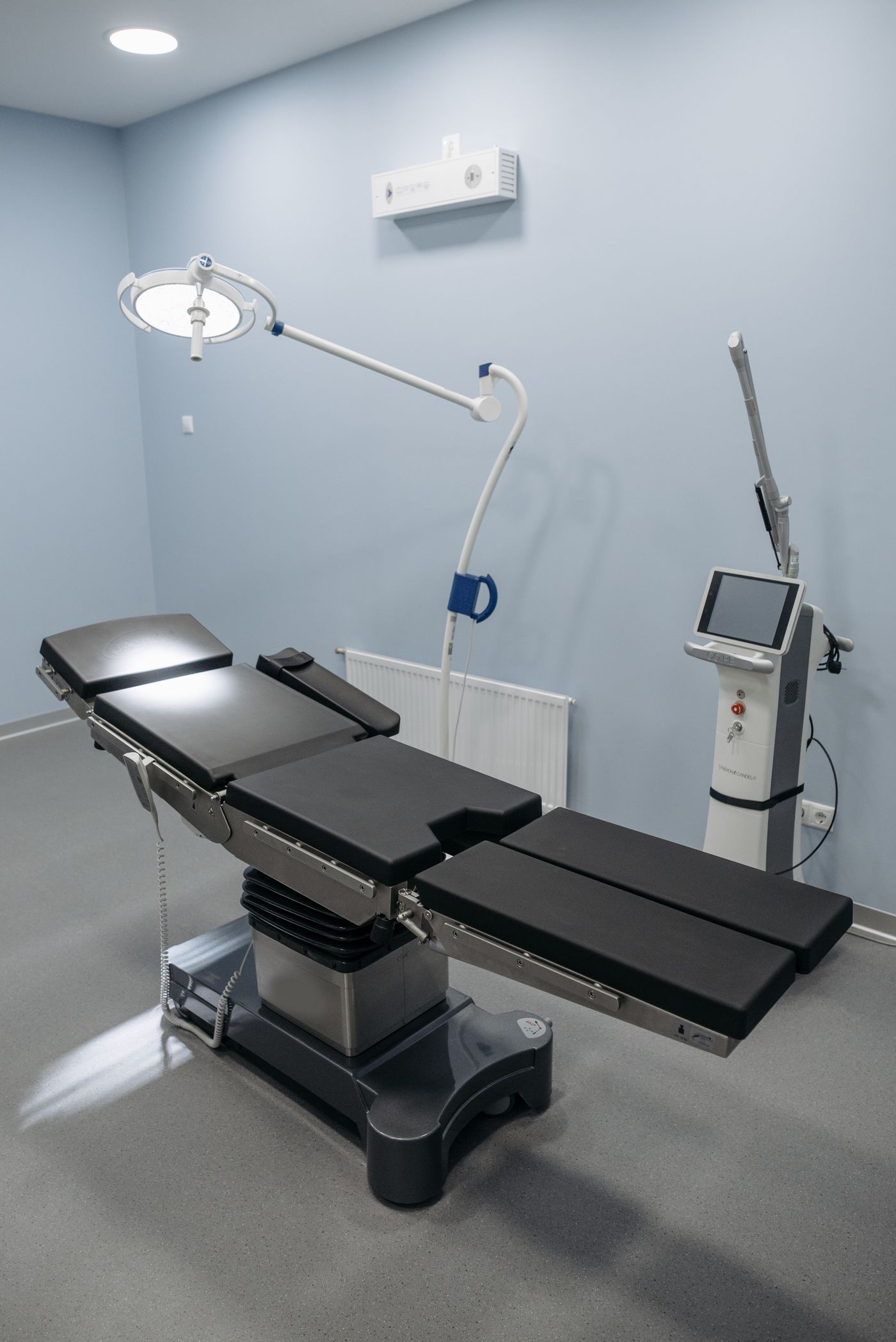
Dr. Feliciano Serrano: Understanding Endovenous Laser Ablation
Persistent leg heaviness, swelling, or visible vein issues often prompt patients to seek evaluation for venous insufficiency. Endovenous laser ablation is a medical procedure designed to address the underlying cause of venous reflux by sealing problematic veins using thermal energy. This resource outlines the patient journey—from understanding symptoms to the procedural experience, recovery, and the critical importance of identifying when to seek urgent medical care. Evaluations at the Serrano Kidney & Vascular Access Center in Huntington Park, Los Angeles County, help determine if an intervention aligns with individual health needs.
Treatment education · Published
Published by Serrano Kidney & Vascular Access Center · Patient education
Key points at a glance
- Laser ablation treats specific venous reflux by using thermal energy to close problematic superficial veins.
- Diagnostic ultrasound findings must correlate with physical symptoms to justify procedural intervention.
- Conservative management, such as compression stockings and exercise, is the recommended first-line approach for venous insufficiency.
- Emergencies require immediate 911 or emergency department care, rather than waiting for a scheduled clinical appointment.
Defining Venous Insufficiency
Venous insufficiency occurs when valves within leg veins struggle to return blood to the heart effectively, causing blood to pool in the lower limbs. This condition can lead to persistent sensations of heaviness, aching, or swelling, which often worsen throughout the day or after periods of prolonged standing. While many individuals consider treatment options for aesthetic concerns, the primary clinical objective of procedures like endovenous laser ablation is to alleviate functional impairment caused by this abnormal reflux. When blood does not flow properly, it places extra stress on the veins, potentially leading to long-term circulatory discomfort. Understanding the physiological basis of these symptoms is the first step toward effective management and informed decision-making.
Patients should distinguish between simple spider veins, which are typically cosmetic, and deep or truncal vein reflux, which may necessitate clinical intervention. Determining the scope of the condition begins by identifying whether symptoms represent a genuine circulatory health issue. A professional evaluation assists in differentiating these categories, ensuring that unnecessary invasive treatments are avoided for conditions that do not require them. By focusing on symptomatic relief and objective markers, clinical teams ensure diagnostics remain focused on well-being.
Diagnostic Ultrasound Roles
Diagnostic ultrasound serves as the tool for mapping vein anatomy and assessing blood flow velocity. During this non-invasive test, technicians use high-frequency sound waves to visualize vein structures and identify segments where blood flows backward, a phenomenon known as venous reflux. This imaging is crucial for clinical confirmation, but it provides only a snapshot of the venous system and does not replace a comprehensive clinical assessment of overall health.
Crucially, a positive ultrasound finding for reflux does not mandate a medical procedure. Many individuals exhibit asymptomatic reflux that causes no functional impairment and requires no immediate intervention. Patients should discuss test results with their clinician, weighing them against daily experiences of pain, swelling, or activity limitations. A balanced, evidence-based conversation allows the patient and the treating team to decide if a procedure is appropriate, rather than relying solely on imaging data that may not correlate with the patient's lived experience.
Prioritizing Conservative Management
Before considering thermal ablation, conservative therapy remains the recommended initial step in most management plans. This includes the consistent use of graduated compression stockings, which apply pressure to support vein walls and assist blood return to the heart. Wearing these stockings appropriately can significantly reduce swelling and physical discomfort, potentially delaying or even eliminating the need for more invasive measures. If a consistent routine of compression therapy has not been attempted, it is often suggested that patients prioritize this step to evaluate if symptoms can be managed effectively without surgery.
Lifestyle modifications also play an integral role in managing venous symptoms long-term. Regular physical activity, such as daily walking, engages calf muscles to pump blood upward, while elevating legs periodically helps reduce pressure caused by gravity. Weight management and adequate hydration are similarly essential for maintaining circulatory health. These steps empower patients to take active control of their condition. Whether or not an invasive procedure is eventually chosen, these foundational habits remain critical components of a comprehensive care strategy, supporting vascular health beyond any single medical intervention.
Evaluating Alternative Care Paths
It is standard practice to explore alternatives to laser ablation, particularly if symptoms remain manageable or if a patient prefers non-invasive approaches. Not all patients are candidates for this specific laser technique, and other modalities such as sclerotherapy or minor surgical removals might be more appropriate depending on unique vein anatomy. An open discussion regarding these options with a clinician ensures that any chosen course of action aligns with the patient's personal comfort levels and established health goals, ensuring transparency in clinical recommendations.
Choosing to proceed without an invasive procedure is a valid clinical decision. If quality of life is not significantly compromised, patients may opt to monitor their condition and revisit the clinical conversation if symptoms progress. There is no requirement for patients to feel pressured into receiving a procedure. A transparent relationship with the treating team, where potential risks and benefits are communicated, serves as the optimal framework for determining the best path, ensuring decisions are based on medical necessity.
Procedural Preparation and Planning
If a clinical assessment concludes that endovenous laser ablation is necessary, planning helps ensure a smooth treatment process. Patients should review their medication list, especially if taking anticoagulants, to ensure the treating team is fully informed. Preparing a complete medical history, including records of prior blood clots or conditions that might impact healing, is essential. Furthermore, arranging for assistance with transportation is important, as individual reactions may require patients to avoid driving immediately following the session.
The facility at the Serrano Kidney & Vascular Access Center in Huntington Park serves as the site for clinical treatment. Patients are advised to plan travel in advance, considering traffic in Los Angeles County. Arriving with necessary documentation and wearing comfortable clothing allows for easier access to the treatment area. By arriving prepared, patients reduce stress and allow the treating team to focus entirely on maintaining the best possible environment for the scheduled medical care.
The Procedural Experience
During endovenous laser ablation, the clinical focus is on achieving a safe, complete closure of the target vessel. The clinician begins by using ultrasound to guide the placement of a small catheter into the vein. Once the fiber is positioned correctly, local anesthesia is administered to numb the treatment path. This numbing technique is highly effective at minimizing physical discomfort throughout the intervention, allowing the patient to remain awake and aware while the laser applies thermal energy to the interior of the vessel.
As thermal energy is delivered, the vessel wall seals, effectively redirecting blood flow toward deeper, healthier veins. The procedure is typically completed within a relatively brief timeframe. While mild pressure or sensations may occur, the process is designed to be well-tolerated. The treating team maintains an open dialogue with the patient to ensure comfort at every stage, providing updates until the target segment is successfully closed and the treatment concluded.
Navigating the Initial Recovery
Post-procedural recovery involves an emphasis on mobility. Patients are encouraged to walk shortly after treatment, as movement is a vital part of the recovery process that promotes healthy blood circulation and prevents blood buildup in the legs. Wearing a compression garment is standard to provide support and help manage swelling or bruising. Adhering to the specific instructions provided by the clinical team regarding compression usage is essential to support effective healing and optimize the results of the ablation.
In the days following the procedure, minor bruising or a sensation of tightness along the treated vein is commonly reported. Most patients manage these symptoms with conservative, home-based measures suggested by the clinical staff. High-impact exercise or heavy lifting should be avoided during this early phase to allow the body adequate time to stabilize. Because every patient’s recovery speed is unique, patients should listen to their body's signals and avoid direct comparisons of progress with other individuals.
Long-Term Health Monitoring
The end of an initial treatment phase does not mark the conclusion of a venous health journey. Chronic venous insufficiency is often progressive; while a treated vein remains closed, other segments may develop reflux over time. Regular follow-up appointments allow the clinical team to monitor progress and ensure that the treated area has healed as expected. During these appointments, ultrasound imaging is often utilized to confirm the closure of the vein and identify any new areas that might warrant future clinical attention.
Consistency in follow-up care is as vital as the treatment itself. These appointments establish a baseline for health, facilitating the early detection of any changes. If symptoms return or questions arise regarding comfort levels, these sessions serve as the appropriate forum for resolution. The clinical team remains committed to supporting long-term health, and regular check-ins ensure that care remains proactive rather than reacting only to significant new problems, thereby maintaining overall vascular wellness.
Recognizing Potential Risks
While laser ablation is considered a standard procedure, all medical interventions involve inherent risks. Being an informed patient includes understanding these possibilities. Temporary nerve irritation, which may manifest as tingling or mild numbness, is a documented occurrence. While bruising is common, it typically resolves with time. More serious complications, although rare, can include the formation of blood clots or localized skin infections. Maintaining an awareness of these risks allows patients to observe their bodies effectively throughout the recovery period.
Early detection is the most effective strategy for managing potential complications. If symptoms such as persistent discharge, increasing redness spreading beyond the treatment site, or intense heat at the treated location arise, patients should contact the clinical office promptly. Do not ignore these indicators, as patient feedback provides information necessary for the treating team to intervene safely. Staying observant allows for timely support if the healing process deviates from the expected recovery path, ensuring professional adjustments can be made as needed.
Emergency Preparedness Standards
In medical practice, there is a distinct difference between routine post-procedural concerns and genuine emergencies. If a patient experiences severe symptoms such as sudden chest pain, profound difficulty breathing, or the rapid onset of significant swelling in a limb, these must be addressed as a medical emergency. Do not rely on office-based messaging systems or wait for a scheduled clinical appointment in these situations. Instead, patients should call 911 or proceed to the nearest emergency department for professional care.
Emergencies cannot be predicted, but preparedness provides a safety net. By knowing when to seek emergency help, patients protect themselves from the danger of delaying critical care. The primary goal is to support patient health. Understanding the threshold for when to seek outside help ensures that patients receive the most rapid intervention possible when it matters most, keeping safety at the forefront of the treatment experience.
Addressing Symptom Recurrence
Venous disease is frequently progressive. While a specific segment of a vein may be successfully treated and sealed, it is possible for new reflux to develop in previously unaffected veins over time. This development does not necessarily imply that the initial procedure was ineffective, but rather reflects the ongoing nature of venous changes within the body. Should a patient perceive that symptoms are returning, the most prudent course of action is to return for a new clinical evaluation rather than assuming the previous treatment has failed.
Patients should avoid the assumption that they require a routine, standardized repeat of the same procedure. Every medical intervention must be justified by fresh, current data, including ultrasound imaging and a thorough assessment of clinical symptoms. Standardized, recurring interventions are avoided in favor of personalized care. By maintaining an open dialogue with the medical team regarding the return of symptoms, patients ensure that any future care is guided by their actual current health needs rather than a rigid, unnecessary schedule of repeats.
Empowered Patient Decision-Making
Ultimately, managing venous insufficiency involves finding a sustainable balance. Patients serve as the most important members of their own care team. By asking insightful questions, understanding the limitations of what diagnostics can reveal, and actively participating in conservative management, patients take charge of their long-term well-being. It is encouraged to remain proactive in discussions with clinicians, ensuring that every step of the process aligns with personal health objectives and functional requirements. Being informed and engaged is the best way to ensure quality outcomes.
Whether beginning to investigate symptoms or preparing for a procedure, transparency is a component of medical care. The more a patient understands about how the venous system functions, the more confident they will feel in their decision-making. Dr. Feliciano Serrano and the clinic staff are dedicated to supporting patient journeys with evidence-based education. The goal is to assist patients in navigating their options with safety and respect for individual medical needs, ensuring that all care is tailored to the patient’s specific circumstances.
Common patient questions
Is laser ablation a permanent cure for all varicose vein issues?
Laser ablation is not a universal cure. It effectively closes a specific refluxing vein segment, providing targeted relief for that vessel. However, venous disease is chronic and progressive. New reflux can develop in other veins over time. While the treated vein usually remains sealed, the underlying disease can manifest differently throughout a lifetime. Long-term management requires a combination of healthy lifestyle choices and regular monitoring by the care team to ensure that new symptoms are addressed appropriately as they arise, keeping overall venous health under professional supervision.
What signs indicate that I should seek emergency care after my procedure?
Seek immediate emergency care if you experience symptoms such as sudden chest pain, severe difficulty breathing, or rapid, significant swelling in the limb. These symptoms could indicate serious systemic complications that require immediate professional attention in an emergency department or via 911. Do not wait for a clinic follow-up if you encounter these indicators. Prioritizing safety by calling for professional emergency services is the most responsible step to ensure health and well-being are protected.
Can I return to my daily routine immediately after the treatment?
Many patients can return to light activities like walking shortly after the procedure, but strenuous tasks should be avoided. Heavy lifting, intense workouts, and long periods of standing are typically discouraged during the initial healing phase. Returning to a full normal routine is highly variable and depends on individual recovery processes. Clinicians provide custom guidance on when it is safe to resume specific activities based on how the patient is feeling. Planning for some downtime allows the body the necessary space to heal and stabilize properly.
How do I know if the procedure is right for me?
Suitability for this procedure is determined through a clinical evaluation matching patient symptoms with diagnostic ultrasound findings. It is not recommended based on aesthetics or imaging results alone. A balanced conversation helps determine if there is evidence of venous reflux contributing to functional impairment. If conservative management has not provided relief and health needs require it, laser ablation might be discussed as an option. The goal is to address genuine health issues while minimizing unnecessary procedural risks.
Medical references and educational notice
This article provides general education, not an individual diagnosis or treatment plan. The linked medical organizations explain general concepts and do not endorse this clinic. Your treating team should guide decisions about tests, medicines, procedures, and follow-up. For a medical emergency, call 911 or seek the nearest emergency department; do not wait for a clinic appointment or home visit.